Rubbish Clearances London in London

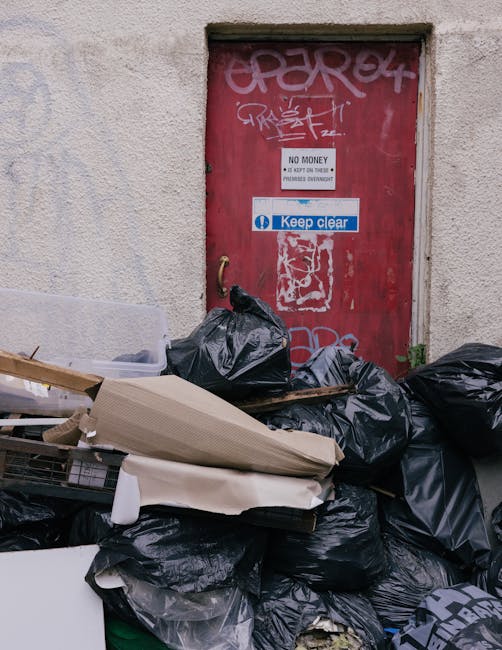
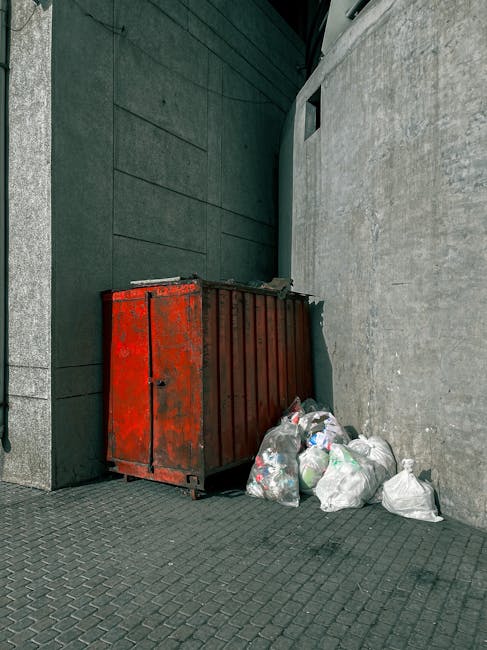
Rubbish Clearances London provides rubbish clearance in London for homes, flats, gardens, offices and mixed-use premises that need practical waste removal arranged with care. Our main service covers the collection and removal of unwanted items, general rubbish and bulky loads, with an approach suited to different property types and access conditions. The focus is on clearing space efficiently while keeping the process straightforward for people who want a clear, usable result.
We handle a wide range of clearance work, from everyday household clutter to larger items that are awkward to move without help. That includes rubbish clearance, waste clearance and related removal services where the task is to take away items responsibly rather than simply shift them out of the way. If you are comparing options, it can help to think about whether you need a single-item collection, a fuller property clearance or a more specific service for furniture, appliances or builders’ debris.
For a quote, gather a brief description of the load, the type of property and any access points that may affect collection. Request a quotation when you are ready and we can discuss the most suitable clearance option for the job.
Household clearance and room-by-room removal
Household rubbish clearance is often needed when storage has built up over time or when several rooms contain a mixture of items that no longer serve a purpose. We can remove bags, broken household objects, general junk and selected bulky items as part of a broader home clearance or a more focused room clearance. The work is designed to be practical and orderly, so the property can be returned to normal use without unnecessary disruption.
When the load comes from a house, flat or rental property, the right choice of service depends on both volume and item type. A house clearance is suited to fuller domestic clearances, while a flat clearance may be a better fit where stairs, tight access or shared entrances are part of the job. We also support property clearance where a wider mix of rooms, contents and loose waste needs to be removed in one visit.
Good preparation does not need to be complicated. A short list of the main items, any restrictions on parking or access, and whether anything must be kept separate is usually enough to start the conversation. If you are unsure how much needs taking away, a simple description can still help us estimate the scale. Clear instructions at the outset save time later, especially where several areas are involved or items are spread across different rooms.
Bulky items, furniture and appliance removal

Bulky waste calls for a different approach from light domestic rubbish because the items are often awkward, heavy or difficult to dismantle. Sofas, wardrobes, beds, mattresses and white goods usually need more careful handling and enough space to move them safely. A well-planned removal keeps the process efficient and helps avoid damage to walls, floors and door frames while items are taken out of the property.
For larger household objects, a service may be more suitable if it is tailored to the item itself. Examples include sofa removal, furniture removal and collection, mattress removal and collection and white goods recycle. These options are useful where the main task is the movement and disposal of a defined item or set of similar items, rather than a mixed general clearance.
If several bulky items are being removed together, it helps to think about which pieces are freestanding, which may need partial dismantling and whether lifting access is straightforward. A photograph can be helpful, but a written description of size, number and location is equally useful. That way, the service can be matched to the actual load rather than to a guess. Clarity on the item type is often the difference between a simple collection and a more involved clearance plan.
Garden, garage and loft clearances
Outdoor and storage spaces tend to gather a different sort of material from everyday living areas. A garden clearance may involve cuttings, pots, broken outdoor furniture, bagged waste and general garden clutter, while garage and loft clearances often include boxes, old household items and mixed objects stored for later sorting. These jobs usually work best when the removal plan reflects the space itself, not just the contents inside it.
We can also help when the waste is concentrated in a single storage area and needs careful sorting before removal. A garden clearance suits outdoor waste and light domestic debris, while a garage clearance or loft clearance is more appropriate where access is narrow or items have been kept for a long time. In every case, the aim is to remove what is no longer needed without creating extra mess during the process.
Space type matters because each setting presents a different kind of working condition. Loft items may be dusty and boxed; garage contents can be mixed with tools, scrap and storage; garden waste may need separating from reusable outdoor pieces. A clear description of the area helps with planning, especially if there are steps, low headroom or narrow entrances. These practical details keep the collection focused and prevent avoidable delays.
Commercial and office clearances

Commercial clearance work tends to be more varied than domestic removal because offices, shops and workspaces can contain furniture, filing, packaging, fixtures and general waste all at once. Our office-focused services are intended for businesses that need unwanted items collected without turning the space into a longer project than necessary. The work may involve clearing surplus desks, chairs, storage units or mixed rubbish from work areas and back rooms.
Where premises need a more targeted service, office clearance, commercial waste collection and business waste removal provide useful options for different scales of commercial clearance. Some jobs are ongoing waste streams, while others are one-off removals connected to refits, relocations or general workplace reorganisation. Keeping the service type aligned with the premises helps avoid over-ordering or under-ordering the collection.
Commercial clients often want the work completed with minimum interference to day-to-day use of the premises. A simple inventory of the main items, the floor level and any access restrictions helps to shape the right collection method. If there is a mixture of recyclable material, broken furniture and ordinary waste, mention that in the enquiry so the load can be planned sensibly. Organisation before removal makes a noticeable difference in busy workplaces.
Builders’ waste, refurbishment debris and renovation leftovers
Builders’ waste clearance is distinct from household rubbish removal because the load usually contains heavier, rougher or more fragmented material. Offcuts, packaging, damaged fixtures, timber, plasterboard and mixed renovation waste all need an approach that is suitable for construction-related debris. This kind of clearance is particularly useful after small refurbishments, strip-outs or maintenance work where the site needs to be tidied before the next stage can begin.
Where the waste is linked to a project, a builders’ waste clearance or bulk waste collection may be more appropriate than a general domestic service. If the material is mixed, the clearer the description, the easier it is to match the collection to the job. The key distinction is whether the load is mainly light household clutter or heavier, project-based debris that needs more robust handling.
For this type of clearance, access, loading space and the rough makeup of the waste matter more than decorative detail. A short note about whether the debris is loose, bagged or stacked can be enough to organise the visit. If there are sharp edges, heavy pieces or dust from the works, those are worth mentioning too. That helps set expectations and keeps the removal process properly focused on the actual condition of the site.
Specialist clearance for unusual or sensitive jobs

Some clearances are not simply about volume. They involve sensitive contents, unusually cluttered properties or items that need a more considered approach because of condition, access or family circumstances. In those cases, a more specialised service is often more suitable than a standard mixed waste collection. The aim remains the same: remove what needs to go, with the right balance of order, discretion and practical handling.
Relevant options can include hoarder clearance, probate clearance and probate house clearance where the contents, purpose or level of sorting call for additional care. These services are generally chosen when the property needs to be cleared in a structured way, often with different categories of items to separate before the final removal. The service should fit the circumstances rather than force everything into one general approach.
In sensitive jobs, it is helpful to say what must stay, what can go and whether anything requires separate attention. That may be paperwork, personal effects, furniture, white goods or general waste. A brief description is usually enough to start the quotation process, and it can save time later if the clearance has to be staged. The more specific the description, the easier it is to plan a considerate and efficient removal.
How the clearance is organised
The best quotation comes from useful, plain information rather than lengthy explanations. If possible, provide the main item types, the approximate volume, the property type and anything that affects access such as stairs, limited parking or restricted entry times. That allows the job to be matched to the appropriate service without assuming more than is actually there. For many customers, that is the simplest route to a sensible plan.
During the clearance, the process is usually more straightforward when items are grouped by room or by type before collection begins. That is not always essential, but it can make it easier to separate furniture, household waste, reusable pieces and heavier materials. If there are items to keep aside, it is best to mark them clearly or remove them from the working area beforehand. Small preparation steps can help a lot without turning the job into a major task.
The service options on this site include rubbish collection, waste collection and waste removal, each of which may suit different kinds of load. Some customers mainly need a collection of loose bags and mixed rubbish, while others need a fuller removal service for a property or commercial unit. The right choice depends on what is being taken away and how much of the space is involved.
Price factors and choosing the right service
Pricing usually depends on the type of waste, the amount to be removed, the ease of access and whether specialist handling is needed. A single bulky item, a roomful of mixed rubbish and a project load from refurbishment work are all different in practical terms, even if they are similar in appearance from a distance. Clear information at the start helps avoid confusion and makes it easier to compare the right kind of quotation.
Useful supporting pages include pricing and quotes, waste disposal and recycling and sustainability. These pages are helpful if you want to understand how a clearance may be priced or what happens after collection. Where the material includes furniture, appliances or recyclables, it is worth stating that in the enquiry so the most suitable route can be considered from the outset.
To keep the enquiry accurate, it can help to note whether the load is indoors or outdoors, whether it has already been bagged, and whether there are stairs, lifts or loading limits. None of that needs to be written in detail, but a concise summary is valuable. A good quotation starts with a clear description, and a clear description starts with the basics: what, roughly how much, and where it is.
About London

London is a large and historically layered city on the River Thames, shaped by Roman origins, medieval growth, imperial administration and modern redevelopment. Its form is varied rather than uniform: the City of London retains its own long-established civic identity, while Westminster developed as a political and royal centre, and the boroughs stretching outward contain a wide mix of housing, commercial districts, parks and industrial legacies. The river remains one of the city’s most important physical features, with bridges, embankments and former docklands helping to define movement and settlement over centuries. Landmarks such as the Tower of London, the Palace of Westminster, St Paul’s Cathedral and the South Bank sit alongside many smaller streets, squares and neighbourhoods that preserve distinct local character. Public green spaces are also central to the city’s identity, from the Royal Parks to the commons and canal-side walks found across inner and outer districts. London’s transport network, including Underground lines, rail termini, river services and extensive bus routes, has supported its growth and made it a city of closely linked but recognisably different places. Cultural life is equally broad, with theatres, museums, galleries, markets and music venues spread across the capital, while historic markets, churches, terraces and post-war estates show how successive periods have left visible traces in the built environment. The city’s continuing change can be seen in redeveloped waterfronts, restored warehouse areas and dense residential streets that sit close to older civic and commercial quarters.
Focused clearance for homes, workplaces and mixed premises
Different premises create different clearance needs, which is why a general rubbish removal service is often best understood as a set of related options rather than one fixed method. A home may need furniture removal, a loft sort-out or a full property clearance. A workplace may need office contents taken away. A renovation may leave builders’ waste behind. Matching the task to the load makes the job more efficient and keeps the quote aligned with the real work involved.
Where the contents are more specific, the related service pages can help narrow the choice: furniture clearance, bed disposal, mattress disposal and fridge disposal all point to clear item categories. This is useful when the job is not a full clearance but a set of distinct items that need to be removed from the property and dealt with appropriately.
The main thing is to choose the service that best reflects the contents, access and volume. That keeps the process practical for the customer and suitable for the type of waste being collected. If you only need a few items taken away, say so; if you have a room, a garage or a full property, mention that instead. Contact us to request a quotation when you are ready to move ahead.