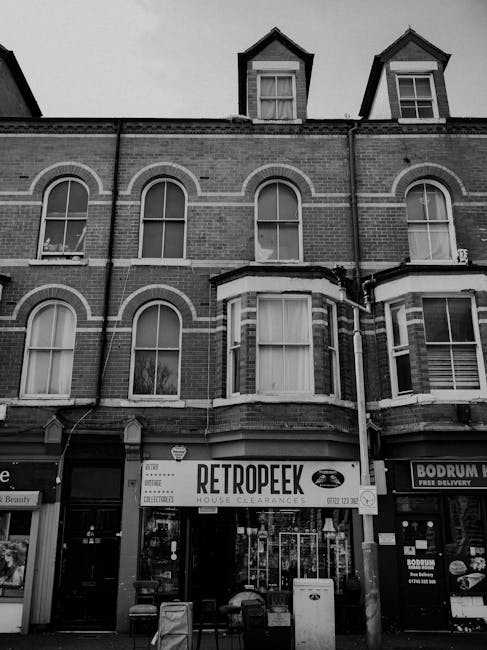
Estate Clearances in Camden Town: Local Rubbish Solutions
When a flat, terrace, or inherited property in Camden Town needs clearing, the job can feel bigger than the room itself. Furniture piles up, loft boxes get forgotten, and suddenly you're dealing with a mix of memories, timing pressures, and very ordinary rubbish that still has to go somewhere. Estate Clearances in Camden Town: Local Rubbish Solutions is really about making that whole process calmer, safer, and more organised. Whether you're handling a probate property, preparing a rental for new tenants, or simply clearing out years of accumulated clutter, the right approach saves time and a lot of stress.
Camden has its own rhythm: narrow streets, busy parking, flats with limited access, and properties that often need careful handling rather than a heavy-handed clear-out. In practice, that means local rubbish solutions need to be efficient, respectful, and adaptable. This guide walks through how estate clearance works, what to expect, what to avoid, and how to choose the best route for your situation.
Contents
- Why Estate Clearances in Camden Town: Local Rubbish Solutions Matters
- How Estate Clearances in Camden Town: Local Rubbish Solutions Works
- Key Benefits and Practical Advantages
- Who This Is For and When It Makes Sense
- Step-by-Step Guidance
- Expert Tips for Better Results
- Common Mistakes to Avoid
- Tools, Resources and Recommendations
- Law, Compliance, Standards, or Best Practice
- Options, Methods, or Comparison Table
- Case Study or Real-World Example
- Practical Checklist
- Conclusion
- Frequently Asked Questions
Why Estate Clearances in Camden Town: Local Rubbish Solutions Matters
Estate clearance is not just "getting rid of stuff". That sounds blunt, but let's face it, it can be emotionally loaded and logistically awkward at the same time. In Camden Town, the challenge is often compounded by property layout, parking restrictions, shared entrances, stair-only access, and the simple fact that rubbish is harder to move when a van cannot park right outside the door.
There's also the practical question of sorting. An estate clearance usually involves more than one type of material: reusable furniture, broken household items, electricals, mattresses, bagged rubbish, paperwork, textiles, and the occasional surprise from the back of a cupboard. Local rubbish solutions matter because they help separate what can be reused, recycled, donated, or disposed of properly. That makes the process cleaner, quicker, and usually less wasteful.
For probate and bereavement clearances, sensitivity matters too. Families often need a methodical, respectful service rather than a rushed removal. You may only have a short window before a sale, a new tenancy, or an insurance deadline. In those moments, a well-organised clearance becomes part of the wider property plan, not just a cleanup job.
Expert summary: A good estate clearance should leave you with a clear property, a sensible handling of reusable items, and a disposal route that fits the building, the schedule, and the emotional reality of the situation.
To be fair, most people only realise how much is involved once the first room is emptied. Then the decisions start. Keep, donate, recycle, remove, store, dispose. A local solution helps you make those decisions in a steady, practical way.
How Estate Clearances in Camden Town: Local Rubbish Solutions Works
The process usually starts with an assessment. That might be a visit in person, a photo-based quote, or a phone discussion if access is simple. The aim is to understand the volume of items, the type of waste, the access route, and any special handling needs. In Camden Town, small details matter: top-floor walk-ups, basement rooms, one-way streets, timed parking, and whether the property is in a block with shared hallways.
Once the scope is clear, the clearance team plans the removal. This may include separating furniture from general rubbish, removing bulky items first, and identifying anything that should be set aside for reuse or responsible recycling. If the property contains items with sentimental value, paperwork, or valuables, those are usually flagged first so they are not accidentally bundled away. Sounds obvious, but it really does happen when a room is full and the pace gets quick.
For larger or more complex estates, the work may happen in stages. A typical sequence might be:
- Identify items to keep, sell, donate, recycle, or remove.
- Clear sensitive spaces first, such as drawers, cabinets, and paperwork areas.
- Remove bulky furniture and white goods.
- Bag and sort smaller waste streams.
- Load, transport, and dispose of items through appropriate channels.
- Leave the property swept and ready for the next step.
Not every clearance needs the same level of service. A lightly used flat can often be turned around in a single visit. A hoarded property, probate house, or long-vacant home may require more careful planning and multiple loads. If that sounds daunting, it can be. But a structured process makes it manageable.
If you are also dealing with broader property waste, related services such as property clearance or home clearance can be useful depending on the scale and type of items involved.
Key Benefits and Practical Advantages
The obvious benefit is space. Once the clutter is gone, rooms start to feel like rooms again. That matters if you're preparing a sale, organising repairs, or trying to make an inherited property marketable. But the less obvious benefits are often the ones people appreciate most.
- Less stress: one clear plan replaces dozens of half-finished decisions.
- Safer access: fewer obstacles reduce trip hazards and awkward lifting.
- Better time control: a planned clearance is far quicker than doing it piecemeal.
- Smarter waste handling: recyclable and reusable items are easier to separate.
- More respectful outcomes: especially in bereavement or probate situations.
- Local convenience: Camden traffic, parking, and access are easier to handle with a nearby team.
There's also a financial angle, though it varies case by case. Good clearance planning can reduce unnecessary disposal costs by keeping reusable items separate and avoiding multiple failed DIY trips to a tip or recycling site. And if you're paying for time, then time saved is real value. It's not glamorous, but it's true.
Another advantage is consistency. A professional approach means the same property is assessed, cleared, and left in a predictable condition. No mystery piles in the corner. No "we'll do the rest next week" feeling. Just done.
Who This Is For and When It Makes Sense
Estate clearance is for more people than you might expect. It is not limited to bereavement situations, though that is one of the most common reasons people need it. If a property in Camden Town needs to be emptied efficiently and respectfully, it's worth considering a dedicated clearance service.
Typical situations include:
- Probate properties: when executors or family members need to prepare a home for sale or transfer.
- Landlords and letting agents: when tenants have left furniture, rubbish, or large items behind.
- Homeowners downsizing: when years of possessions need sorting into keep, donate, and remove.
- Flat clearances: especially in upper-floor properties with limited lift access.
- Hoarding or heavily cluttered homes: where careful staging is needed.
- Refurbishment prep: before builders start or decorators can safely work.
It also makes sense if the job is physically too big to manage alone. Lifting old wardrobes or mattresses down Camden stairwells is nobody's idea of a peaceful Saturday. If you know, you know.
For smaller bulky jobs within a wider clearance, services like bulky waste collection, furniture removal and collection, and mattress removal and collection can also play a part.
Step-by-Step Guidance
If you want a calm, efficient clearance, the best route is to approach it like a project rather than a frantic cleanout. Here's a sensible way to do it.
1. Walk through the property first
Start room by room. Make quick notes on what is staying, what must go, and what needs checking with relatives, agents, or solicitors. Photograph anything uncertain. It takes ten minutes now and may save a lot of confusion later.
2. Separate the obvious keepers
Put aside documents, photographs, keys, jewellery, and anything with personal or financial value. The simple rule is: if in doubt, don't clear it yet. Leave a "review" pile. A little caution goes a long way.
3. Identify bulky and awkward items
Note furniture, white goods, mattresses, and oversized items that need extra handling. A sofa in a narrow Camden flat is not just a sofa. It becomes a route-planning exercise. That is the reality.
4. Ask what can be recycled or reused
Some items may be suitable for reuse or recycling depending on condition. Broken items, contaminated materials, and certain electricals need different handling from clean furniture. Sorting early helps avoid waste and may reduce the overall disposal burden.
5. Check access and timing
Make sure the team understands stairs, lift access, parking, and any building rules. In some Camden streets, loading windows are tight, and that can affect scheduling. Good local planning matters more than people think.
6. Agree the disposal approach
The best clearance services explain what happens to different waste streams. General rubbish, recyclable materials, and specialist items should not be treated as all the same thing. If a company cannot explain this simply, that's a small red flag.
7. Confirm what "finished" means
Do you want the property completely empty? Swept through? Keys returned somewhere? A garage or loft included? Set that expectation early so the final handover is smooth.
Expert Tips for Better Results
Here's where small decisions make a surprisingly big difference.
- Photograph every room before anything moves. It helps with records, agreements, and family alignment.
- Use coloured tape or sticky notes. One colour for keep, one for remove, one for unsure.
- Clear the easiest rooms first. Early wins make the whole job feel lighter.
- Be ruthless with duplicates. Old boxes of cables, expired manuals, and broken kitchen gadgets love to hide in plain sight.
- Plan for stairs and door widths. Especially in older Camden properties where corners can be awkward.
- Set aside one review box. It is a neat trick for papers, keys, and "I'm not sure yet" items.
In our experience, the best clearances are the ones where decisions are made calmly before the van arrives. If you wait until the loading begins, everything suddenly looks more urgent. Funny how that happens.
One more thing: try not to over-plan the sentimental side. You do not need to decide every item in one sitting. A steady pace is better than an emotional rush. Truth be told, that's often the difference between a manageable job and a miserable one.
Common Mistakes to Avoid
Estate clearances go wrong for a few predictable reasons. Avoiding them saves time, money, and a fair bit of frustration.
- Skipping the sort-out stage: if you do not separate keepers first, things can be lost.
- Underestimating access issues: a "simple flat" can turn complicated fast if parking is impossible.
- Mixing all waste together: this makes recycling harder and disposal less efficient.
- Ignoring fragile or sentimental items: these often hide in drawers, books, and cupboard corners.
- Assuming every item can go the same way: mattresses, fridges, electronics, and general waste may need different handling.
- Leaving the timing too late: probate, sale dates, and move-ins have a habit of arriving sooner than expected.
Another common issue is not checking whether the service includes labour, loading, and sweep-up. It sounds basic, but people are often comparing quotes without comparing what the quote actually covers. Apples and pears, as they say. Not ideal.
If the property has a specific item type, separate services such as sofa removal and collection, bed disposal, or white goods recycle may be useful alongside the broader estate clearance.
Tools, Resources and Recommendations
You do not need a warehouse full of equipment to organise an estate clearance, but a few simple tools make the job far easier.
- Bin bags and rubble sacks: for sorting smaller waste streams.
- Labels or marker tape: to mark keep, donate, remove, and review piles.
- Gloves and sturdy shoes: basic, but worth saying.
- Phone camera: for documenting rooms, valuables, and completed stages.
- Checklist or notebook: especially helpful when several relatives or agents are involved.
- Measuring tape: useful if large furniture needs to move through tight hallways.
For broader information, pages about waste clearance, rubbish removal, and recycling and rubbish can help you understand how different items are normally handled. If the clear-out extends beyond one property, flat clearance and house clearance are also useful points of reference.
And if the job is more severe than you first thought - hoarded rooms, blocked access, or a house that has simply been left too long - a specialist approach such as hoarder clearance may be the safer route.
Law, Compliance, Standards, or Best Practice
Estate clearance sits in the practical world of waste handling, so it should be done responsibly. You do not need to become a legal expert, but you do need to use a service that understands safe collection, responsible disposal, and proper handling of waste types. That includes separating recyclable items where possible and disposing of electricals, mattresses, and white goods appropriately.
In the UK, waste should be managed by providers who can handle it lawfully and appropriately. For a homeowner, executor, or landlord, the main thing is to avoid fly-tipping risks, unsafe handling, and vague promises about where waste goes. If a company cannot explain its process clearly, that is worth noting. Calmly, but firmly.
Good practice also includes:
- clear confirmation of what will be removed;
- careful handling of personal documents and valuables;
- thoughtful separation of recyclable materials;
- safe lifting and transport methods;
- respect for building rules, neighbours, and access constraints.
For peace of mind, it can help to review pages such as insurance and safety, health and safety policy, and recycling and sustainability. They give a sense of the standards you should expect from a careful provider.
Options, Methods, or Comparison Table
Depending on what needs clearing, you may be deciding between a full estate clearance, a targeted bulky-item collection, or a council route. Each has a place.
| Option | Best for | Strengths | Limitations |
|---|---|---|---|
| Full estate clearance | Probate homes, whole flats, larger clear-outs | Fast, organised, handles mixed items, usually includes loading | May be more than you need for a single item or two |
| Bulky item collection | Sofas, mattresses, large furniture | Good for a few oversized items, simple and targeted | Not ideal for extensive room-by-room clearing |
| Waste collection or rubbish removal | Mixed bags, light clutter, smaller jobs | Flexible, often quick, useful for partial clearances | May not suit heavily furnished or complex properties |
| Council collection route | Some large items or standard household waste | Can work for straightforward disposal needs | Usually less flexible on timing, item types, and volume |
For many Camden Town properties, the best answer is a mixture. For example, a probate flat might need a full estate clearance, while a single remaining bed frame or fridge is better handled separately. Matching the method to the mess is what keeps the process efficient.
Local service pages such as council large item collection, large item collection, and waste collection can help you compare the route that fits your situation.
Case Study or Real-World Example
Imagine a two-bedroom flat in Camden Town after a tenancy ends and a relative has also left a few personal items behind. The rooms are not packed wall-to-wall, but there is enough there to make the job feel awkward: a sofa, a bed, a wardrobe, old electronics, bags of mixed rubbish, and a box of documents that nobody wants to lose. Nothing dramatic. Just enough to turn a simple task into an all-day project.
The first useful step is a quick sort. Papers and keeps are removed from the clearing zone. Then the bulky items are identified so the route and loading plan can be set. The sofa and bed are handled first because they take the most space and make access easier once gone. Mixed rubbish is bagged next. The electronics are separated so they are not treated like general rubbish. Easy enough in theory, but it saves headaches later.
Because the property is in Camden, access timing matters. The team plans around parking and hallway access, then loads in stages rather than all at once. By the end of the visit, the property is empty, swept, and ready for the next step. Not perfect, not magical, just properly done. Which is exactly what most people want.
This kind of job is a good example of why local rubbish solutions are so useful. They adapt to the building, the street, and the human side of the work. That combination matters more than people sometimes realise.
Practical Checklist
Use this checklist before booking or starting an estate clearance in Camden Town.
- Have you identified items to keep, donate, sell, or remove?
- Have you checked for documents, keys, photos, and valuables?
- Do you know whether the property has stairs, lift access, or tight corners?
- Have you noted parking limits or loading restrictions?
- Do any items need special handling, such as fridges, mattresses, or electricals?
- Is there a deadline linked to sale, probate, move-in, or refurbishment?
- Have you agreed what "complete clearance" means for this property?
- Do you want the property swept or left ready for immediate use?
- Have you compared a full clearance with a targeted collection option?
- Have you chosen a provider that explains disposal and recycling clearly?
If you can tick most of those boxes, the job gets much easier. If not, that's fine too - it just means a bit more planning will help.
Get a free quote today and see how much you can save.
Conclusion
Estate clearances in Camden Town work best when they are treated as a practical, local, and human job rather than a hurried dump-and-go exercise. The best outcomes are usually the ones that balance speed with care: clear decisions, sensible sorting, proper handling of bulky items, and a disposal method that fits the property and the street.
Whether you are handling probate, helping a relative downsize, preparing a rental, or clearing a flat that has simply become too full, the right local rubbish solution can make the process far calmer. You do not need to tackle everything at once. Start with the important items, choose the right method, and let the rest follow in order.
And honestly, once the last bag is gone and the place breathes again, you feel it straight away. Space. Relief. A proper fresh start.
Frequently Asked Questions
What is included in an estate clearance in Camden Town?
An estate clearance usually includes removing furniture, household rubbish, bulky items, and other unwanted contents from a property. Depending on the job, it may also include sorting, loading, recycling, and leaving the property swept or tidy at the end.
How long does an estate clearance usually take?
It depends on the size of the property, access, and how much sorting is needed. A small flat with straightforward access may be cleared quickly, while a larger home or cluttered property can take longer and may need more than one visit.
Do I need to sort everything before the clearance starts?
No, but it helps to separate obvious keepers such as documents, jewellery, keys, and sentimental items. The more you can identify in advance, the smoother the clearance will be. A "review later" box is often a very useful idea.
Can reusable items be separated from general rubbish?
Yes, and they should be where possible. Reusable furniture, recyclable materials, and electrical items often need different handling from general rubbish. Good estate clearance planning usually includes this sort of separation.
Is an estate clearance the same as a house clearance?
They overlap a lot. Estate clearance often refers to clearing a property after a death, during probate, or in a similar sensitive situation. House clearance is broader and can cover downsizing, moving, or general full-property clear-outs.
What if the property is a flat with no lift?
That is common in Camden and not a deal-breaker. It does mean access needs to be planned carefully, especially for sofas, wardrobes, and heavy items. Mentioning stairs and tight corners early makes everything easier.
Can I combine estate clearance with furniture or mattress removal?
Yes. In many cases, a full estate clearance includes bulky items like sofas, beds, and mattresses. If you only need a specific item removed, dedicated services such as sofa or mattress collection may be enough.
What happens to the waste after collection?
Responsible providers should separate items where possible for reuse, recycling, or proper disposal. Different items may follow different routes depending on their condition and type. It is reasonable to ask how this is handled before booking.
How should I prepare for a probate estate clearance?
Start by identifying legal or family items that must not be moved, such as documents, certificates, keys, and anything with possible value. It also helps to agree who has authority to decide what stays and what goes. Probate jobs are smoother when that part is clear.
Is it better to choose a local Camden service?
Usually, yes. A local team is more likely to understand parking, access, and the pace of the area. In a place like Camden Town, those practical details can make a genuine difference to cost, timing, and the smoothness of the clearance.
Can estate clearance help if a property is very cluttered or hoarded?
Yes, though very cluttered properties may need a more careful and staged approach. In those cases, the priority is safety, sorting, and steady progress rather than trying to finish everything in one rush.
What is the best first step if I feel overwhelmed?
Begin with one small zone, usually a single room or even one table. Remove obvious keepers first, then decide what can be cleared. You do not have to solve the whole property in one hour. Start where it feels manageable, and build from there.