Fines for Illegal Dumping in Lewisham: What Residents Face
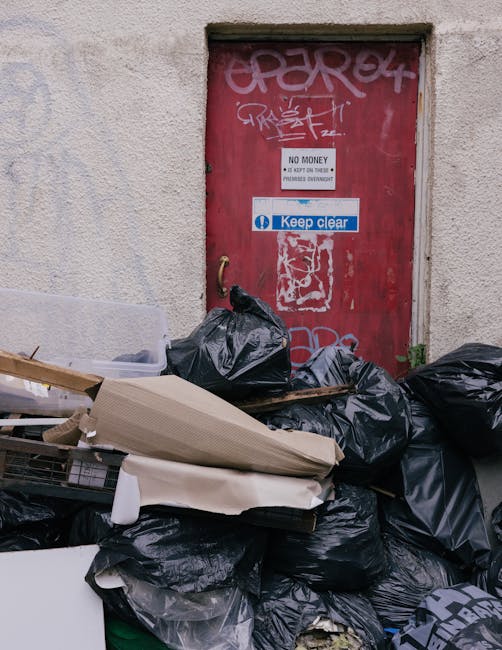
If you live in Lewisham, or you manage a property there, illegal dumping can quickly become more than an eyesore. A mattress left beside a hedge, bin bags dumped after dark, or building waste tipped near a quiet back street can bring complaints, clean-up costs, and in some cases fines. This guide on Fines for Illegal Dumping in Lewisham: What Residents Face explains what the issue means in plain English, how enforcement usually works, and what residents can do to stay on the right side of the rules. It is not just about avoiding penalties. It is also about keeping your street safer, cleaner, and a bit less grim on a wet Monday morning.
Truth be told, a lot of people only think about waste once it starts piling up. That is usually when the problems begin. So let's walk through the practical stuff: what counts as dumping, who can be fined, what the risks are, and how to deal with bulky rubbish without making life harder for yourself.
Table of Contents
- Why Fines for Illegal Dumping in Lewisham Matters
- How the Fine Process Works
- Key Benefits and Practical Advantages
- Who This Is For and When It Makes Sense
- Step-by-Step Guidance
- Expert Tips for Better Results
- Common Mistakes to Avoid
- Tools, Resources and Recommendations
- Law, Compliance, Standards, or Best Practice
- Options, Methods, or Comparison Table
- Case Study or Real-World Example
- Practical Checklist
- Conclusion
- Frequently Asked Questions
Why Fines for Illegal Dumping in Lewisham Matters
Illegal dumping is not a minor nuisance. In a borough like Lewisham, where roads, pavements, estates, and shared access areas are busy and closely used, a single dumped load can create a chain reaction. One bag becomes three. One old sofa attracts more fly-tipping. Before long, the corner looks neglected and residents start assuming no one cares. That can damage pride in the area very quickly.
The financial side matters too. When waste is dumped illegally, somebody has to deal with it. That often means extra collection costs, enforcement action, and time spent identifying who is responsible. If you are the person who arranged a collection badly, gave your waste to the wrong operator, or left items in the wrong place, the consequences can be frustrating and expensive.
There is also a simple fairness issue. People who follow proper disposal rules should not end up covering the mess made by someone else. That is why councils and enforcement teams take fly-tipping seriously. Not because they enjoy being strict. Because the cost of doing nothing tends to spread, quietly but fast.
Practical takeaway: If waste leaves your control in the wrong way, you may still face consequences. That is why using a lawful, traceable waste removal route matters so much.
For residents, the topic is especially relevant when moving home, clearing out a garage, replacing furniture, or sorting a renovation. Those are the moments when waste builds up quickly and poor decisions get made. And yes, usually in a rush.
How Fines for Illegal Dumping in Lewisham Works
In simple terms, illegal dumping means leaving waste somewhere you are not allowed to leave it. That can include public land, private land without permission, or communal areas that are not intended for bulky rubbish or construction debris. The exact enforcement route may vary, but the basic pattern is similar: someone spots the dumping, reports it, investigates it, and decides whether a penalty or further action is justified.
What many residents miss is that penalties are not only for the person who physically left the waste. If waste can be linked back to you, even indirectly, you may still face scrutiny. That might happen if paperwork is missing, if you handed waste to an unlicensed collector, or if you failed to check where your rubbish was going. To be fair, most people are not trying to cause trouble. But carelessness is still carelessness.
In practice, enforcement can involve:
- an on-the-spot fixed penalty or similar notice
- a request for evidence or explanation
- further investigation if the waste appears commercial or repeated
- possible action for broader environmental offences in more serious cases
The key point is that not every case looks the same. A single bin bag left out incorrectly is different from a van load of builders' waste dumped behind a row of garages. The response is usually scaled to the seriousness of the incident, the evidence available, and whether the person has a history of non-compliance.
If you are organising household clearance or need help with larger items, a lawful service such as bulky waste collection or rubbish clearance is often a much safer route than leaving items out and hoping for the best. Hoping is not a strategy. It just feels like one when the room is full.
Key Benefits and Practical Advantages
It may sound odd to talk about benefits when the topic is fines, but there are real advantages to understanding the rules clearly. The biggest one is simple: you reduce the chance of an avoidable penalty. That alone can save money, stress, and awkward conversations with neighbours or landlords.
Other practical advantages include:
- Cleaner surroundings: streets, front gardens, and shared entrances stay more usable and presentable.
- Less neighbour friction: clear waste habits reduce complaints and suspicion.
- Faster home projects: when waste removal is planned properly, clear-outs go more smoothly.
- Better accountability: invoices, collection records, and good habits make it easier to show you acted responsibly.
- Lower risk of repeat problems: one good system is easier to keep using than constant improvisation.
There is also a more subtle benefit: peace of mind. If you have ever wondered whether a pile of rubbish outside your property might become your problem, you know the feeling. A proper collection plan removes that little knot in the stomach.
For residents dealing with bulky items, moving waste promptly through the right route is usually easier than leaving it out for days. If you are clearing a home, house clearance or home clearance services can be a practical alternative to piecemeal dumping or multiple trips to a disposal site.
Who This Is For and When It Makes Sense
This topic matters to more people than you might think. It is not just for someone who has already been fined. It is for anyone who generates waste and wants to avoid accidental non-compliance. That includes tenants, homeowners, landlords, managing agents, small businesses, tradespeople, and families clearing out old furniture.
It especially makes sense if you are:
- moving house and dealing with a sudden pile of unwanted items
- renovating a flat or garden
- disposing of furniture, mattresses, white goods, or broken appliances
- responsible for shared bins or communal spaces
- running a business that produces regular waste
- trying to help an older relative sort out a property without causing a mess outside
Let's face it, waste problems often start with a sensible intention. You tidy up the loft, clear the shed, then suddenly you are staring at a pile of items that will not fit in the regular bin. That is exactly when people get tempted to cut corners. Usually a bad idea. Usually.
If the items are larger or mixed, a service like furniture removal and collection or white goods recycle can reduce the risk of leaving things out in the wrong place or too early.
Step-by-Step Guidance
If you want to avoid fines and keep your waste handling tidy, follow a straightforward process. Nothing clever. Just methodical.
- Identify the waste type. Household rubbish, furniture, garden waste, electrical items, and construction waste often need different handling.
- Check whether the item needs specialist disposal. Mattresses, fridges, paint, and builders' waste can be more complicated than standard black bag waste.
- Choose a lawful disposal route. Use council services, a licensed collector, or a recognised waste removal option with proper documentation.
- Keep records where possible. Receipts, booking confirmations, and collection details can help if questions come up later.
- Do not leave waste out early. Timing matters more than many residents realise, especially in busy streets and shared blocks.
- Separate reusable items from true waste. Not everything needs to be dumped. Some items can be donated, sold, or recycled.
- Follow up if waste is not collected. If a collector misses a slot, do not just abandon the pile. Chase it.
If you are dealing with a bigger clearance, such as a property move or a post-tenant tidy-up, a broader option like property clearance can be more sensible than trying to manage everything as separate little jobs.
A small but important habit: take a quick photo of what you leave out, where you leave it, and when. It sounds a bit fussy, maybe even slightly paranoid. But if something goes missing or gets misread as fly-tipping, that photo may save a lot of hassle.
Expert Tips for Better Results
Most waste fines are avoidable with decent planning. In our experience, the people who run into trouble are rarely the ones who are careless all the time. More often, they are the ones who are busy, distracted, or trying to save a few pounds by taking a shortcut. That is where mistakes creep in.
Here are the practical tips that tend to matter most:
- Keep waste separate from normal storage. A bag left near a gate can be mistaken for dumped rubbish very quickly.
- Never assume a driveway, pavement edge, or alley is acceptable. If it is not your land or not clearly allowed, treat it as off-limits.
- Use a provider that explains what happens to the waste. If they cannot answer simple questions, that is a warning sign.
- Ask for clear pricing before booking. Unclear pricing leads to delays, abandoned items, and all the nonsense that follows.
- For mixed waste, sort it before collection if you can. It often makes removal cleaner and quicker.
- Act promptly after a clear-out. Waste left sitting around attracts more waste. It really does.
Another thing worth saying: if you are in a block of flats, talk to neighbours or the building manager before placing anything in shared spaces. A brief message can prevent misunderstandings. A five-minute conversation is better than a fine and a sour WhatsApp thread.
For larger household jobs, services such as flat clearance and loft clearance are often useful because they reduce the temptation to leave items in communal areas while you figure things out.
Common Mistakes to Avoid
Some mistakes come up again and again. The good news is they are easy to spot once you know what to look for.
- Leaving waste next to overflowing bins. That often gets treated as an improper disposal issue, not a harmless leftover.
- Assuming "someone else will deal with it." Shared responsibility is where waste problems grow legs.
- Using unlicensed or unclear collectors. If the waste is dumped elsewhere later, the trail may lead back to you.
- Mixing household rubbish with construction debris. Builders' waste usually needs more careful handling.
- Ignoring bulky items for too long. One old sofa in a hallway turns into a bigger issue than expected.
- Forgetting to check access and collection timing. A missed lift or blocked entrance can derail the whole plan.
A slightly awkward truth: many residents do not realise they have done anything wrong until there is a knock on the door or a notice arrives. By then, the issue has already escalated. That is why prevention beats reaction almost every time.
Tools, Resources and Recommendations
You do not need fancy systems to handle waste properly, but a few basic tools help a lot. Think of this as the boring-but-useful kit that keeps things on track.
- Phone camera: take photos before and after collection.
- Booking confirmation: keep proof of any lawful collection service.
- Simple waste list: write down what you are disposing of so nothing gets missed.
- Labels or tape: useful for separating items during a clear-out.
- Measuring tape: helps when estimating bulky items, especially furniture and appliances.
From a service perspective, the most useful options are usually the ones that match the type of waste you actually have. For example, mattress disposal can be a better fit than a general load if the main problem is one or two bed items. Likewise, builders waste clearance is a practical choice after renovations where rubble, offcuts, and packaging need removing together.
For general waste management, it also helps to understand the difference between disposal and recycling. Some items can be broken down and recovered, which is better for the environment and sometimes better for cost too. A sensible place to start is recycling and rubbish or waste recycling, especially if you are trying to reduce what ends up as mixed waste.
Law, Compliance, Standards, or Best Practice
Waste disposal in the UK is subject to legal duties, and while this article is not legal advice, the safest assumption is that you should always know where your rubbish is going and who is handling it. That matters for homeowners, tenants, landlords, and businesses alike.
Best practice usually includes:
- using a reputable and traceable waste collection route
- keeping evidence of what was removed and when
- not leaving waste in public or shared spaces unless it is clearly authorised
- separating hazardous or specialist items for proper handling
- making sure any collector you use is operating responsibly
Businesses and landlords have an even stronger need for good records because waste problems can affect tenants, visitors, and operations. If you run an office or commercial premises, a service such as office clearance or commercial waste collection may be more appropriate than ad hoc disposal. That tends to be cleaner, simpler, and easier to document.
One useful rule of thumb: if you would struggle to explain where the waste went, that is a sign to slow down and get the process right. Not glamorous, but solid advice.
Options, Methods, or Comparison Table
Residents in Lewisham usually have a few disposal options. The best one depends on the waste type, how much there is, and how quickly it needs to go. Here is a simple comparison.
| Option | Best for | Pros | Watch-outs |
|---|---|---|---|
| Council collection route | Routine or scheduled household waste | Familiar, structured, often suitable for standard items | May not suit urgent or very bulky jobs |
| Licensed private clearance | Mixed, bulky, or time-sensitive loads | Flexible, convenient, often handles more in one visit | Quality varies, so check credentials and clarity |
| Self-managed disposal | Small amounts with transport access | Direct control, good for a few items | Time, vehicle access, and lifting can be awkward |
| Improvised dumping | Nothing legitimate, really | None worth having | Fines, complaints, and obvious reputational risk |
If the choice is between a proper booking and leaving a mattress behind a wall because it is "only for tonight", choose the proper booking. Every time.
Case Study or Real-World Example
A common Lewisham scenario goes something like this. A family clears out a spare room over a weekend. There is an old sofa, two broken drawers, a mattress, and several bags of mixed waste. The bins are already full, the car is too small, and the household starts thinking, just for a moment, that the items could be left beside the front railings until Monday.
That is the point where trouble starts. A neighbour sees the pile. Someone assumes it has been dumped. The council or enforcement team is alerted. If the waste is left in the wrong place, the household may face questions or a penalty, even if the intention was only temporary storage.
What would have worked better? A booked collection for the bulky items, a separate bagging-up of the general waste, and immediate removal rather than a waiting game. If the main load was furniture-heavy, a service like furniture clearance or sofa removal and collection would have kept the items moving and reduced the risk of any misunderstanding.
The lesson is not that people need to overcomplicate things. It is that waste left visible and unattended tends to create its own story, and not a helpful one.
Practical Checklist
Use this before you leave any waste out, book any removal, or start a clear-out.
- Have I identified exactly what needs disposing of?
- Do any items need special handling, such as mattresses or appliances?
- Have I chosen a lawful disposal route?
- Do I know where the waste will be collected from and when?
- Have I taken photos or kept booking details?
- Am I sure the waste will not obstruct pavements, entrances, or shared spaces?
- Have I avoided using an unverified collector or roadside shortcut?
- Have I sorted reusable, recyclable, and general waste where possible?
- Would I be able to explain this setup clearly if questioned later?
That last one sounds a bit blunt, but it is a useful test. If the answer is messy, the plan probably is too.
Get a free quote today and see how much you can save.
Conclusion
Understanding Fines for Illegal Dumping in Lewisham: What Residents Face is really about being prepared. When waste is handled properly, you avoid unnecessary fines, reduce stress, and help keep local streets tidier for everyone. When it is handled badly, even by accident, the consequences can be surprisingly annoying and costly.
The good news is that most problems are preventable. Plan the collection. Keep records. Use a lawful route. And do not leave items out on the off-chance somebody else will sort it. That approach rarely ends well, does it?
If you are dealing with bulky household waste, property clearance, or a larger clean-up, taking a little extra time at the start usually saves a lot more time later. Slow is smooth. Smooth is cheaper. And sometimes, that is the difference between a tidy job and a very awkward one.
Better to sort it properly once than to chase the same mess twice.
Frequently Asked Questions
What counts as illegal dumping in Lewisham?
Illegal dumping usually means leaving waste somewhere you are not allowed to leave it, such as a pavement, alley, communal area, or private land without permission. It can include household rubbish, furniture, garden waste, and builders' waste.
Can a resident be fined even if they did not personally dump the waste?
Yes, potentially. If waste can be traced back to you, or if you failed to dispose of it responsibly, you may still be questioned or face enforcement action. That is why records and proper disposal matter.
What kind of waste causes the most problems?
Bulky items, mattresses, furniture, and construction waste often create the biggest issues because they are hard to ignore and easy to spot in public or shared spaces.
How can I avoid an illegal dumping fine?
Use a lawful collection route, keep booking details, do not leave rubbish in the wrong place, and make sure any collector you use is clear about where the waste goes.
Is leaving rubbish beside a full bin okay if collection is delayed?
Usually no. Overflowing bins and extra bags can still be treated as improper disposal, especially if they are left out in a public or communal area.
What should I do with a mattress or sofa?
Large items are best handled through a proper bulky waste or furniture removal service. Leaving them outside without arrangement can easily lead to complaints or enforcement action.
Do businesses face different expectations from residents?
Often, yes. Businesses generally need stronger waste controls and better records because they produce waste more regularly and can affect staff, customers, and nearby properties.
What evidence should I keep after a collection?
Keep the booking confirmation, receipt, photos of the waste before collection, and any messages confirming pickup details. Simple records can be very helpful if there is ever a dispute.
Can I leave waste on a pavement overnight?
You should not assume that is acceptable. Unless there is a clearly authorised arrangement, leaving waste on a pavement can be treated as dumping or an obstruction.
What if I hired someone to remove waste and they dumped it elsewhere?
That can still become your problem if you did not take reasonable steps to use a proper service. Always check who you are hiring and keep evidence of the arrangement.
Are council collections always the best option?
Not always. They can work well for standard items, but larger, mixed, or urgent loads may be better handled by a more flexible clearance service.
What is the safest next step if I have a lot of waste at home now?
Sort the waste type, separate anything reusable, and arrange a lawful collection as soon as possible. If the load is bulky or mixed, a dedicated clearance service is usually the simplest route.